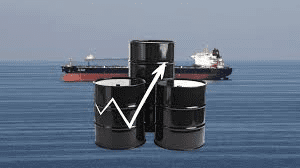
Brent crude oil prices reached their highest levels in over a year for the second straight day on Thursday as increased tensions with Iran raised questions surrounding supplies from the very strategically key Strait of Hormuz. Benchmark Brent crude oil futures climbed to over $80 a barrel and WTI crude oil in the U.S. with a very significant increase as well.
These price increases were fuelled by fears over the outbreak of hostilities in the Middle East affecting the flow of oil out of the narrow sea route from the Persian Gulf to world markets. The Strait of Hormuz ranks as one of the major chokepoints in energy transit with approximately 20% of total world oil passing through it each day.
Shipping and other businesses have been reassessing their shipping routes through the Strait of Hormuz since there have been many incidents involving naval vessels, growing use of drones, and rising military tensions involving the U.S. and Iran, China and Iran, and Iran and various adversaries throughout the region.
Global crude oil supply forecasts have been impacted by traders’ uncertainty over how that will affect shipping companies that have already postponed or changed their schedules due to high levels of security risk along the Gulf of Oman (Gulf of Oman). Additionally, the disruption of services has led to fears that there could be a protracted crisis that would have a major impact on the energy markets and results in an increase in the price of oil.
If the conflict continues to escalate and there are further restrictions on tanker traffic transiting the Strait of Hormuz, then analysts believe that the price of oil could be between $90-$100 per barrel in a matter of weeks. If this occur, it would create additional upward pressure on inflation around the world, but particularly for the large energy importing countries in Asia and Europe.
Refiners in Asia, who are extremely reliant on crude oil from the Middle East, are closely monitoring the developing situation. Some buyers are looking to explore alternative sources of supply, such as the US, Africa, and South America due to the potential of shortage.
While there have been large gains in crude prices in the past week, analysts believe that the near-term volatility of the oil markets will be significant as investors are closely monitoring global political developments and the threat of disruptions to the flow of energy worldwide.