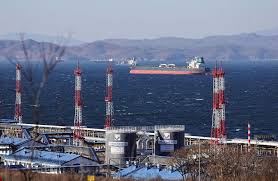
China is set to import a record number of Russian crude oil in February, marking the third consecutive month of growth as Chinese buyers take advantage after India scaled back.
Vortexa Analytics and Kpler estimate that Russian crude exports to China will rise from approximately 1.70 million barrels (“million”) per day in January to approximately 2.07 million per day in February. In addition to replacing India as an exporter country with respect to Seaborne Crude Oil, China has now become the largest buyer of Russian crude oils on a world basis.
India has also significantly reduced its own imports of Russian crude oil after being pressured by both Western sanctions related to the Ukraine war and ongoing negotiations with the United States regarding potential trade agreements. As a result of these factors, it is estimated that Indian import levels of Russian crude oil will fall to approximately 1.16 million per day in February, the lowest level of imports in more than two years.
As a consequence of this reduction, the prices for Russian crude oil have fallen extremely low. The Urals crude, Russia’s primary crude oil export, is now priced at $9-$11 per barrel less than ICE Brent (an international benchmark). Likewise, other Russian Export Crude oils such as Sokol, Varandey, and ESPO, etc. are available for sale at very attractive prices from a Chinese buyer standpoint.
China’s “teapot” independent refiners (the main source for Russia’s crude exports) are buying the largest volumes of crude oil from Russia than they do from Iran, Venezuela, and therefore prefer to buy from Russian suppliers due to the growing concern that there may be U.S. military action against Iran, which has made the supply of oil from Iran less reliable than they would like.
According to the Vortexa data, in February 2022, the volumes of crude oil that were shipped to China from Iran were down to about 1.03 million barrels a day, down from about 1.25 million barrels a day in January. This supports Russia in gaining market share.
With a reduction in prices and competition from India and Iran, Russia has a very healthy and growing market in China as they both adapt to the global oil supply chain that is changing.